
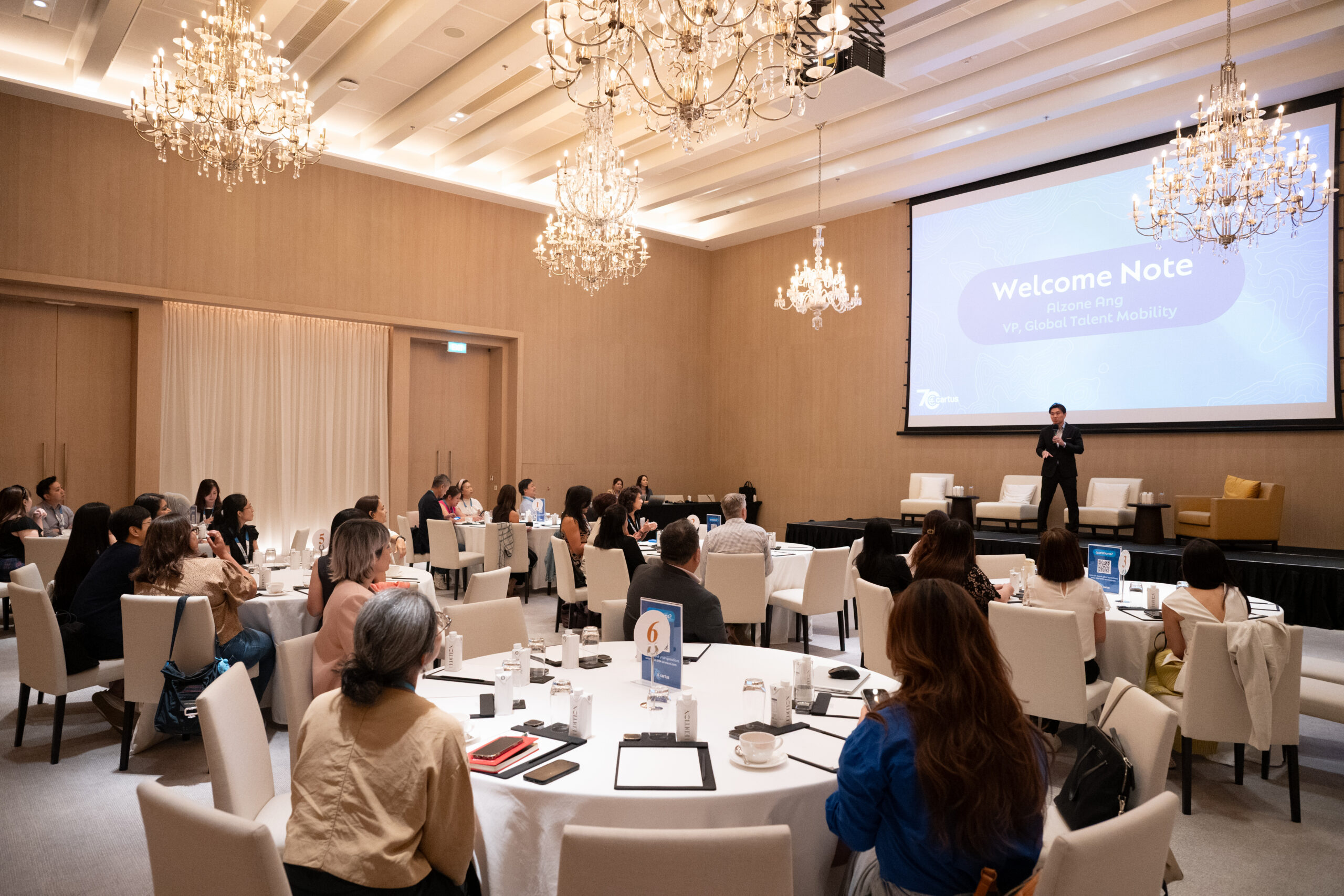
In July, the Cartus team hosted clients and talent mobility professionals at our annual Singapore Roundtable, themed, “Building Partnerships that Make a Difference”. As we dove deep into our agenda for the day, ongoing discussions underscored the importance of building robust vendor partnerships and how talent mobility professionals can better prioritize sustainability throughout the mobility journey.
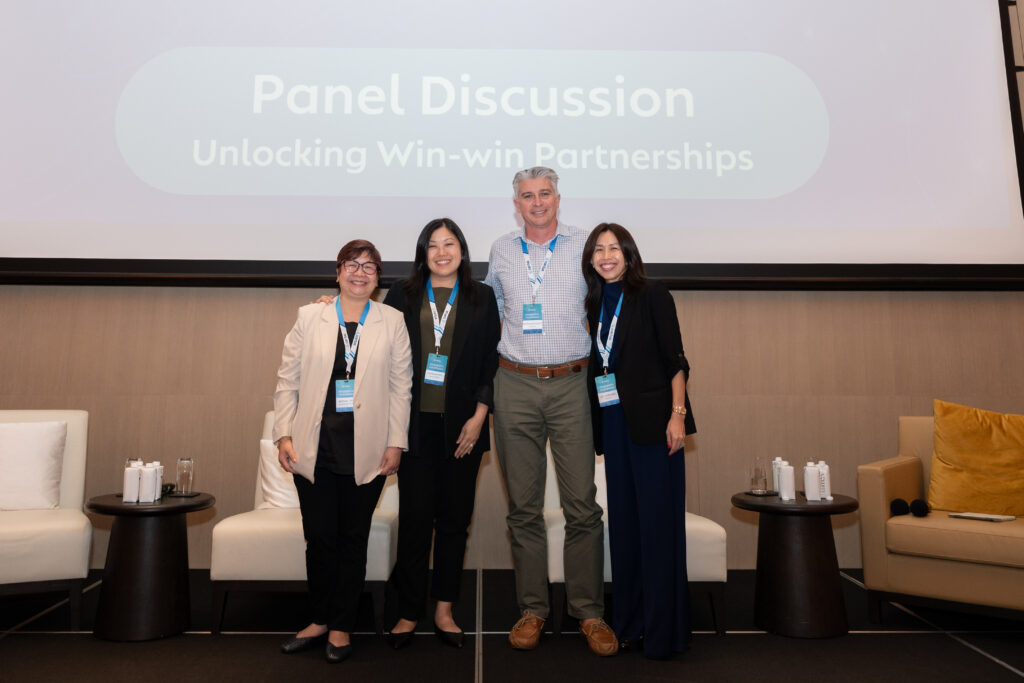
Pictured, From Left to Right: Iris Bernal, Senior Manager, Mobility Advisory & Service Accenture; Hannah Yih, Senior Manager, Global Mobility & Immigration, APAC & India, Salesforce; Adrian Janssen, Global Process Owner, Talent Mobility, Google; Moderator: Jo-Lynn Wee, Senior Director, Global Talent Mobility, Cartus.
Our panelists, experienced mobility leaders from Accenture, Google, and Salesforce, shared their expert perspectives on building strategic vendor partnerships that deliver win-win outcomes. Some key learning points from the day’s discussion:
Check out our recent podcast episode, “Green Relo Dreams – Sustainability in Motion”, with Andrew Conduit-Turner, Cartus’ Director of Sustainable Growth Enablement and special guest, Dave Carlos.
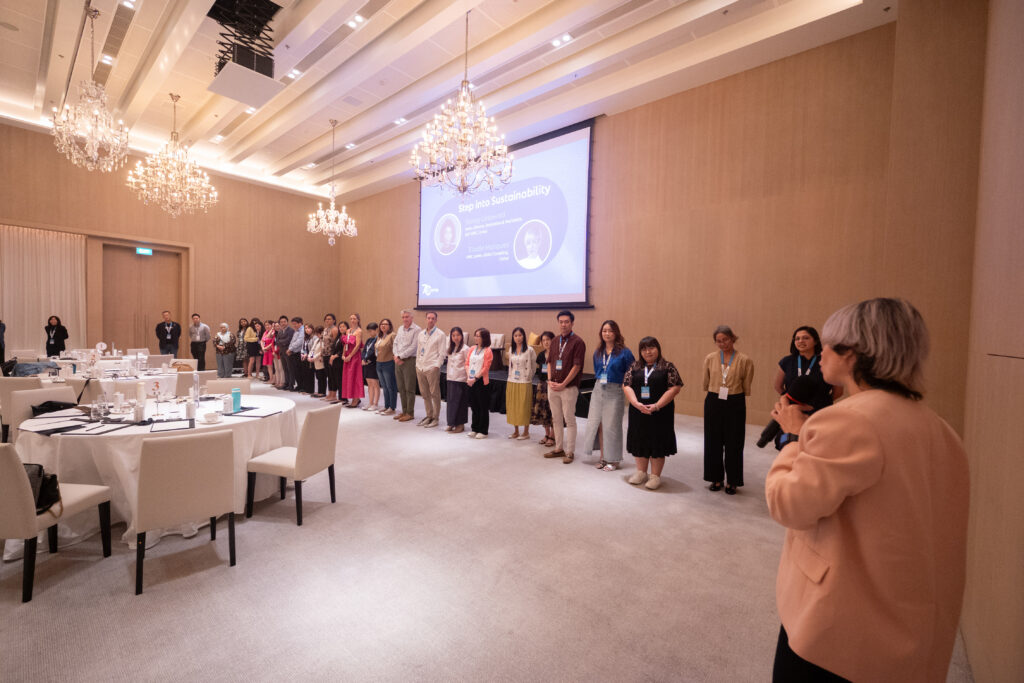
Sustainability and its growing importance are gaining traction worldwide where companies are now prioritizing Environmental, Social, Governance (ESG) goals, in tandem with other business goals. As seen from our interactive benchmarking session, more than 90% of attendees stepped forward in agreement when asked if their organization is looking towards adopting more sustainable strategies in their mobility program. In this segment, we share our key takeaways on adopting green solutions and fostering sustainable partnerships.
It is important to develop sustainable mobility solutions through innovative partnerships with suppliers and partners with shared and measurable KPIs. Collaboration with key industry players to promote eco-friendly transportation options, aimed at reducing carbon footprint and enhancing energy efficiency, are the top priorities in mobility. Leveraging technology to streamline processes and save cost are also being reviewed.
While ESG goals remain important, the costs around implementing green solutions is a concern for most organizations. Thus, the implementation of cost-saving measures to optimize operational efficiency is important and Cartus’ Discard and Donate Program is one such example.
The program encourages relocating employees to dispose and donate items before a move to benefit the local community. This initiative is organized with the assistance of professionals who manage the entire process and employees can be incentivized with furniture allowance to encourage adoption.
In 2024, our Discard and Donate program benefited our clients in the following ways:
– Almost 94,000 lbs of packing material reduced — saving an estimated 780 trees.
– 2.34 million lbs of household goods weight cut — saving over 37,000 gallons of fuel, which resulted in 370 metric tons of carbon emissions avoided.
– Clients saw an average savings of more than $1,000 per move.
– 2,340 trees were planted.
The discussion also included innovative ways to reduce and report on carbon emissions. These included:
On the AI front, organizations are benefiting in various ways, from the automation of transactional tasks to enabling personalized employee experiences. However, as this is still a relatively new space and is constantly evolving, it is inevitable that some organizations are more advanced in their journey of adopting AI solutions and others are still on the path of exploration and learning.
To effectively implement AI solutions, organizations should align them with their overall direction, processes, and change management workflows to streamline priorities and work efficiently in lean environments. Embracing partnerships and co-creation fosters responsible AI development that bridges departmental workflows, reduces administrative burdens, and enhances compliance. Success also hinges on supporting team learning and adaptation, helping employees see AI as a tool to empower, not replace, the workforce.
To find out more, listen to a recent Mobility Matters podcast episode, titled “Global Mobility: AI and The Future of Work,” featuring Cartus President and CEO, Matt Tebbe and special guest, Greg Lindsay.
In the next five to ten years, supplier partner relationships are expected to become more strategic and technology driven. The integration of AI for predictive analytics, alongside a growing emphasis on ESG priorities, will redefine how organizations collaborate with service providers to deliver more agile, sustainable, and personalized mobility solutions.
The Cartus team hopes that this roundtable session sparked thoughtful dialogue and provided practical takeaways. If you would like to learn more about how we can partner with your organization and your talent development program, email us at cartussolutions@cartus.com.



To request a technology demonstration, learn more about a specific solution, or simply speak to one of our knowledgeable subject matter experts, please fill out our form and someone will get back to you shortly.
To learn more about how our work in this space can help drive your talent mobility program to the next level, please fill out our form, and one of our knowledgeable subject matter experts will get back to you shortly!