
blogs / 17 Jun 2025

relocation in APAC: cartus insights from WERC 2025

what’s shaping relocation in APAC right now: c-suite insights

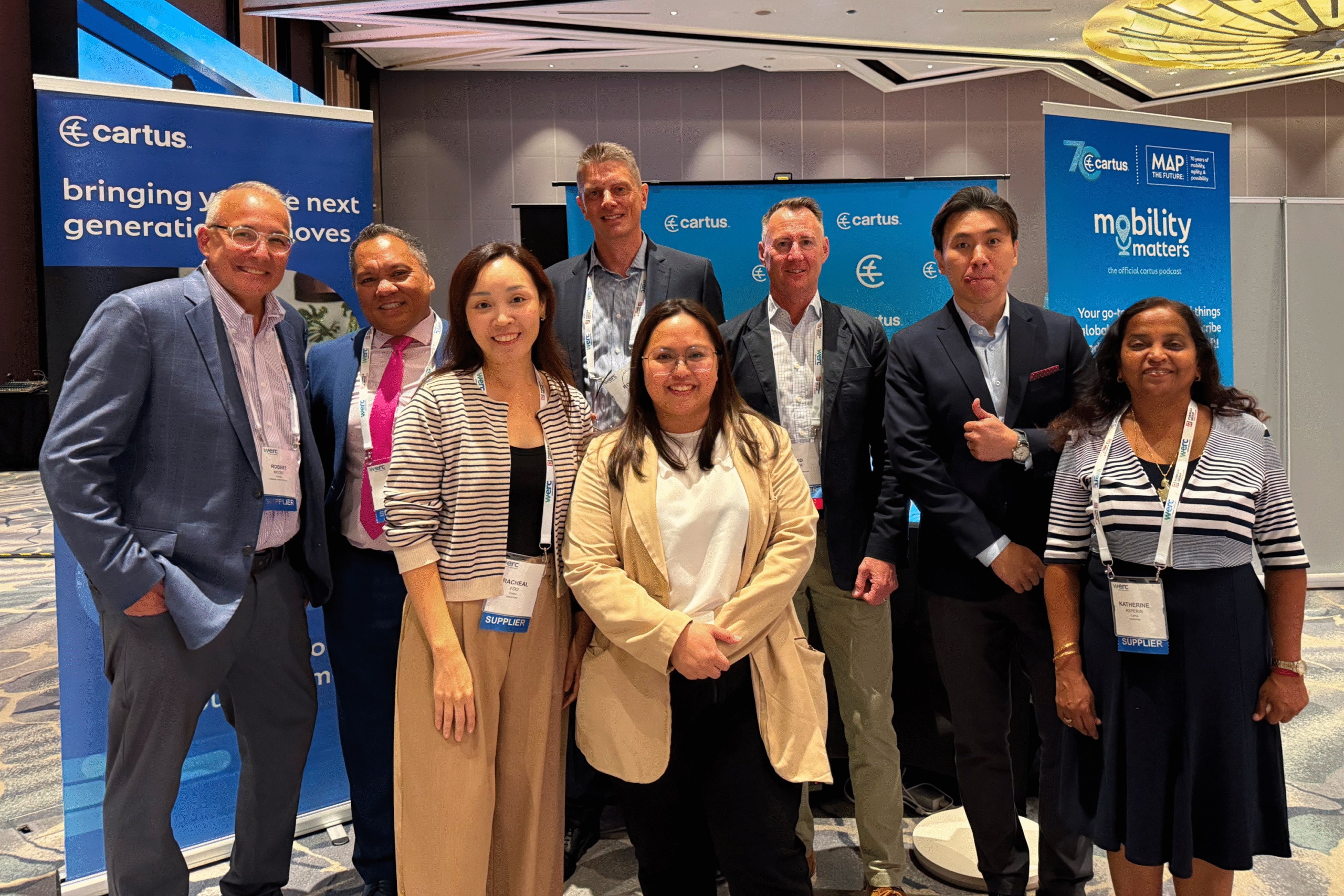
At the WERC APAC Summit 2025 in Singapore, Cartus joined 200+ mobility professionals to explore the future of relocation in APAC. From sustainability to flexibility, here’s what we shared—and what we learned.
the macro environment is louder and less predictable

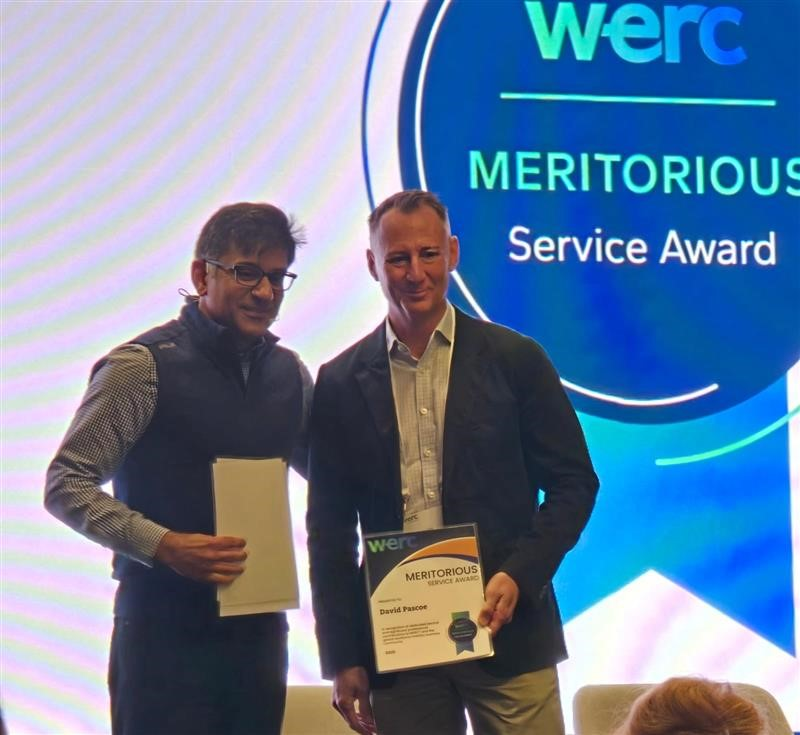
David Pascoe, Cartus Senior EVP of Global Talent Mobility and Meritorious Service Award recipient, spoke on the opening panel about global talent mobility trends and strategies for navigating today’s complex macro environment. From digital disruption to geopolitical shifts, companies are rethinking how and where they move talent.

He, and his fellow panelists, discussed the ongoing evolution in the digital age, volatile market forces, and geopolitical tensions across the world. The panel also discussed how the industry, and organizations, must be more resilient to change. They then dove headfirst into how the global mobility industry is changing with times. 

“The mobility industry has always reacted to macro events, but the impact is now louder and more unpredictable.”
— David Pascoe

There were several key strategic takeaways from the discussion. 

  • Corporations are now leaning towards broader diversification of supply chain and talent strategies, with vendors spanning across regions and countries. In Asia Pacific, countries such as Vietnam, Indonesia, and India are gaining prominence. In key markets like the U.S. and India, domestic moves are surging while cross-border moves into China are declining. 
  • Short-term planning is the new norm. Companies are now operating with 12 to 24-month planning horizons, focusing on solving immediate challenges rather than long-term strategy. Thus, adopting a reactive approach will reshape how talent is moved and supported globally. 
  • Technology and AI are reshaping mobility. Self-service tools and AI-powered query systems are reducing the burden on mobility teams. AI is best suited for transactional tasks, freeing up mobility professionals to focus on empathy-driven, high-value interactions.

why sustainability is now a business imperative

Relocating an employee can be better for the planet than not relocating. 

Relocation can be a force for good

Katherine Asperin, Cartus’ Director of Global Talent Mobility, delivered an inspiring presentation on sustainability from the perspective of a Relocation Management Company. She spoke about Cartus’ journey towards driving innovation in sustainable mobility practices and demonstrated business impact, and growth, with data and case studies.

Katherine shared a few stand-out points worth noting. 

  • Sustainability can drive cost savings. Companies are increasingly factoring sustainability into RFIs and RFPs, alongside cost and employee experience. Initiatives like carbon tax planning, optimized shipping, and net-zero programs can reduce both environmental impact and costs. Apart from this, thoughtful policy changes—like raising the threshold for business class travel or encouraging smaller shipments—can significantly reduce emissions. 
  • Data and policy are important driving factors in championing sustainable mobility. To ensure that quantifiable progress is made around sustainability goals, companies need to make concerted efforts to develop strategies that allow for accurate and consistent CO₂ emissions tracking. While challenging, this is essential as data forms the foundation for sustainable mobility. Many organizations are setting baselines using cost and volume data, with a goal of reducing emissions year over year (e.g., 10% annually). 
  • The sustainability journey is one that requires ecosystem-wide collaboration. Like many other issues, the pursuit of a more sustainable industry is directly dependent on collaboration from all involved stakeholders – from assignees to corporations to suppliers. While organizations can plan for change on a higher level, in terms of strategic planning and attainable goals, assignees and suppliers also play a vital role. The quality of data matters too, and Katherine shared that “gold standard” data is presented in the form of direct emissions data acquired from suppliers.

From the assignee’s perspective, relocation can serve as a catalyst for behavioral change. Research shows that people are more likely to adopt greener behaviors after relocating. This is due to routine disruption when people move out of familiar places, in turn creating a unique opportunity to instill sustainable habits. With the right policy, training, and support, assignees can also become sustainability ambassadors.

flexibility isn’t a trend—it’s a must

Mobility programs are getting personal
We ended the day with an interactive roundtable session facilitated by Rob Line, Vice President, and Elodie Marques, Global Consulting Leader, APAC, from the Global Consulting team.

The session centered on inclusive, flexible mobility and brought together a room of energized and motivated professionals who engaged in meaningful, multi-perspective conversations, exchanging real-world examples that offered replicable takeaways. Rob and Elodie shared many golden nuggets, but we have the key takeaways from the session.

  • There is no one fixed definition of “Flexible Mobility”. Flexible mobility means different things to everyone, depending on your role in the journey, and the lens in which you approach flexible mobility with. However, all perspectives are valuable and play a role in building a robust mobility program, from line managers to HR Business Partners to Mobility Managers to all critical members of the supply chain. 
  • Inclusive approaches are not always intuitive. Building on the first point, it can be difficult, at times, to adopt the perspective of a different stakeholder within this ecosystem. As such, it is integral and vital to promote shared learning. We saw in action what we know to be true – people want to connect! This session gave WERC attendees the chance to network, share examples of how flexibility is applied in different scenarios for their organizations, learn from peers and have fun in the process. 
  • Transferees today expect their mobility experience to mirror the level of choice, personalization and control they enjoy in other areas of life and customer service. In response, more organizations are embedding greater flexibility into their mobility programs, recognizing that employees increasingly want to take ownership of their career and relocation journeys. By adopting flexible mobility strategies, companies empower their workforce in a way that aligns with modern expectations—offering a more tailored, responsive, and engaging relocation experience. 

In conclusion, the primary insights from the WERC APAC Summit reflect the dynamic transformation within the mobility sector, emphasizing that strategic agility, sustainability, and flexibility are no longer optional, but essential. As organizations navigate an increasingly complex global landscape, it is evident that sustainable practices and flexible mobility programs will continue to shape the future of talent mobility. 

Reach out to the Cartus team to learn more about us and/or how we can partner with your organization and your talent development program. 
Rob Line

about the author

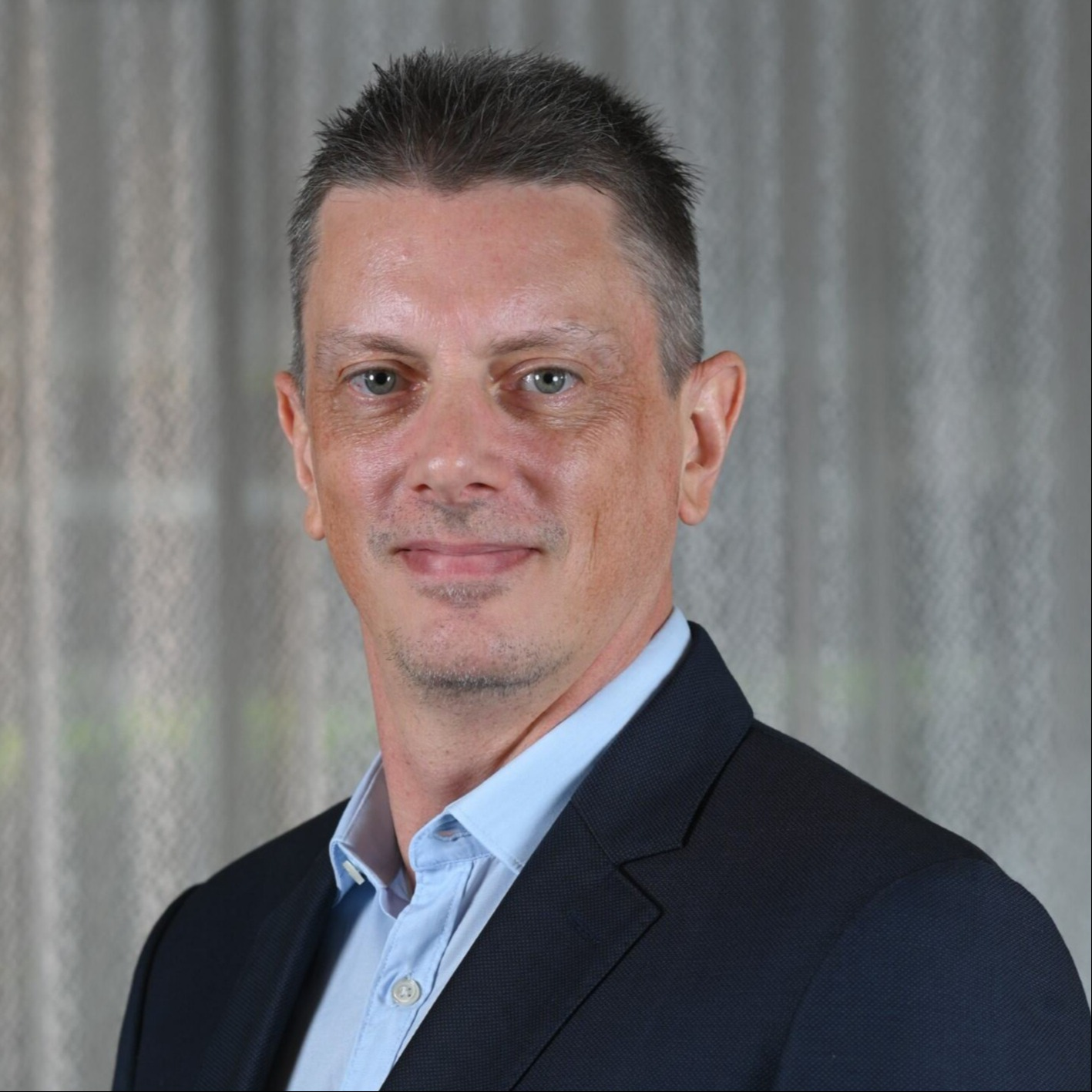
Rob is Vice President of Global Consulting & Product Strategy at Cartus. He has led a broad spectrum of activity for global clients and directed some of the Asia region’s most dynamic outsourced corporate relocation engagements. Throughout the past two decades, engagements under Rob’s leadership have won multiple industry and client awards. As global head of Cartus’ Consulting practice, as well as their Intercultural and Language Solutions training and coaching business, Rob has senior leadership accountability for providing innovative solutions and bringing fresh approaches to benefit Cartus’ clients. A seasoned speaker and thought-provoking voice in global talent mobility, he has been in the industry for more than 25 years. Rob has been based in Singapore since 2008 and has also lived and worked in the UK and Japan.