

Relocating to a new country brings forth a myriad of opportunities and challenges, and Saudi Arabia is no exception. As one of the most frequented locations in the Middle East, understanding the nuances of its immigration and housing systems is essential for a smooth relocation. In this two-part blog series, we examine the critical aspects of corporate relocation to Saudi Arabia, beginning with the intricacies of its immigration procedures and an overview of temporary housing options in Riyadh.
Saudi Arabia’s immigration system is notably complex, with various restrictions and regular inspections nationwide. Before entering the immigration process, consider these factors:
The most commonly used work authorization for companies in Saudi Arabia is the work permit and resident card, granted for one year. This is required for foreign nationals engaging in long-term, profit-generating work activities or transferring to local payroll. When relocating employees to Saudi Arabia, ensure they also obtain an entry visa for work. Employees can generally begin working within four months of starting the work permit and resident card process. While budgeting for immigration costs, note that quoted application fees may include government filing fees and other charges but exclude legal or agent fees for translation and legalization.
The residential leasing market in Riyadh is rapidly evolving, benefiting landlords due to elevated demand driven by population growth, urbanization, and government policy. Consequently, properties may be secured within 24 hours and there is minimal opportunity for negotiation, and rental prices are expected to rise through 2024 and into 2025.
**TOP TIP: Employees should be prepared to make a quick decision once they find a property they like.**
Areas with the most widely available properties include Al Aqiq, Qurtubah, and by King Khalid International Airport, where well-known chains such as Fraser Suites, Marriott, and Hilton offer high quality apartments. The demand for property primarily centers on one- and two-bedroom units, which come in various options from economy to luxury. These conventional serviced apartments are furnished with complete kitchens, air conditioning, and individual washing machines instead of shared facilities. Approximately 20% of these units accommodate pets and nearly all offer several amenities, including onsite parking, restaurants, swimming pools, and fitness centers.
**TOP TIP: Work closely with your destination service provider to ensure due diligence when selecting a property.**
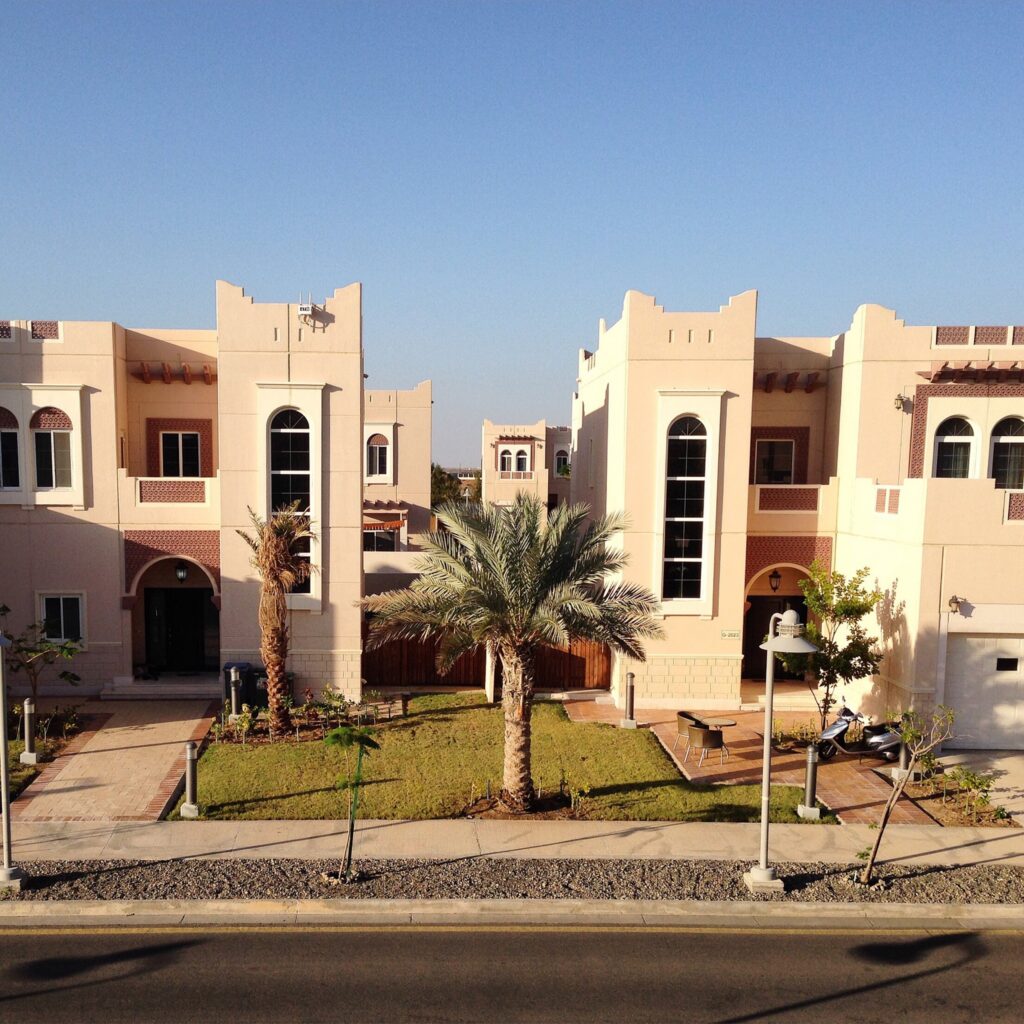
The majority of expatriates, however, choose to live in gated communities with varying levels of security. These compounds typically offer furnished, pet-friendly accommodations ranging from one-bedroom apartments to four-bedroom villas. Residents can enjoy amenities such as sports facilities, grocery stores, and restaurants. It is important to note that while utilities generally cover maintenance fees, relocating employees will need to pay separately for telephone calls, internet, and TV services.
When your relocating employees are signing a lease in Riyadh, consider the following:
**TOP TIP: Home searches should begin as soon as the Iqama is obtained, and a local bank account activated.**

To successfully manage your relocating employee population in complex locations like Saudi Arabia, we encourage you to discuss your requirements with your relocation services provider or contact Cartus for support: cartussolutions@cartus.com.
In the second part of this blog series, coming soon, we will examine the challenges related to household goods and education in Saudi Arabia.
We appreciate our supplier partners—Synergy Housing, Oasis, MoveOne, Fragomen, EER, In Touch Relocations, Paramount Transportation Systems, Arpin International, and Bennett International—for providing their on-the-ground expertise for this blog series.



To request a technology demonstration, learn more about a specific solution, or simply speak to one of our knowledgeable subject matter experts, please fill out our form and someone will get back to you shortly.
To learn more about how our work in this space can help drive your talent mobility program to the next level, please fill out our form, and one of our knowledgeable subject matter experts will get back to you shortly!