
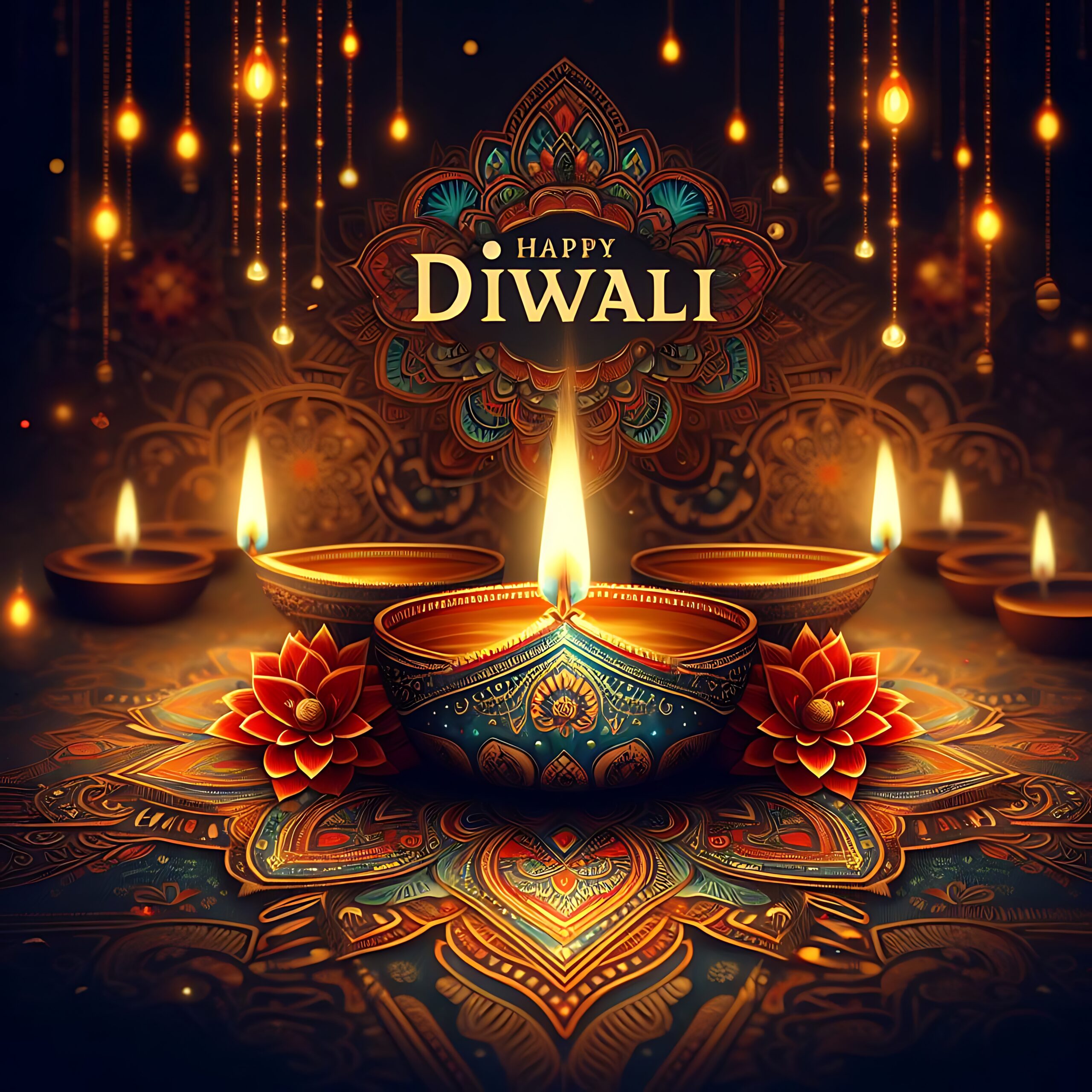
Diwali, also known as Deepavali, one of the most celebrated festivals in India. Falling on October 31 this year, it is often referred to as the Festival of Lights, symbolizing the victory of light over darkness and good over evil. This vibrant celebration holds a special place in the hearts of millions of people across the country and around the world.
Diwali is steeped in rich traditions and cultural significance. It typically lasts for five days, each day having its own unique importance. The festival’s origin is rooted in various legends and stories from Hindu mythology. One of the most popular legends is the story of Lord Krishna defeating the demon Narakasura, which is particularly celebrated in the southern parts of India. Additionally, Diwali marks the worship of Lakshmi, the goddess of wealth and prosperity, and is considered an auspicious time for new beginnings and investments.
Relocating to India during the Diwali period can be both exciting and challenging. The vibrant atmosphere and cultural richness provide an incredible introduction to Indian traditions. However, relocating employees might face logistical challenges such as crowded markets, increased traffic, and higher demand for travel and accommodation. Thus, it is recommended to avoid moving in the days just before and after Diwali, as businesses will be closed, and services will be limited. It is crucial to plan well in advance to navigate these challenges and book the services that you require, including immigration, moving services, and settling-in. With better planning, you can enjoy the festive spirit and the welcoming nature of the celebrations which can help relocating employees quickly feel at home and integrate into the community.
The preparations for Diwali begin weeks in advance. Homes are thoroughly cleaned and decorated with vibrant rangoli designs, which are intricate patterns made with colored powders, rice, and flower petals. These designs are believed to welcome the gods and bring good luck.
People also adorn their homes with strings of lights, oil lamps (diyas), and lanterns, creating a mesmerizing display of light and color. Markets and streets are bustling with activity as people shop for new clothes, gifts, and sweets. The excitement in the air is palpable, with everyone eagerly anticipating the festive days ahead.
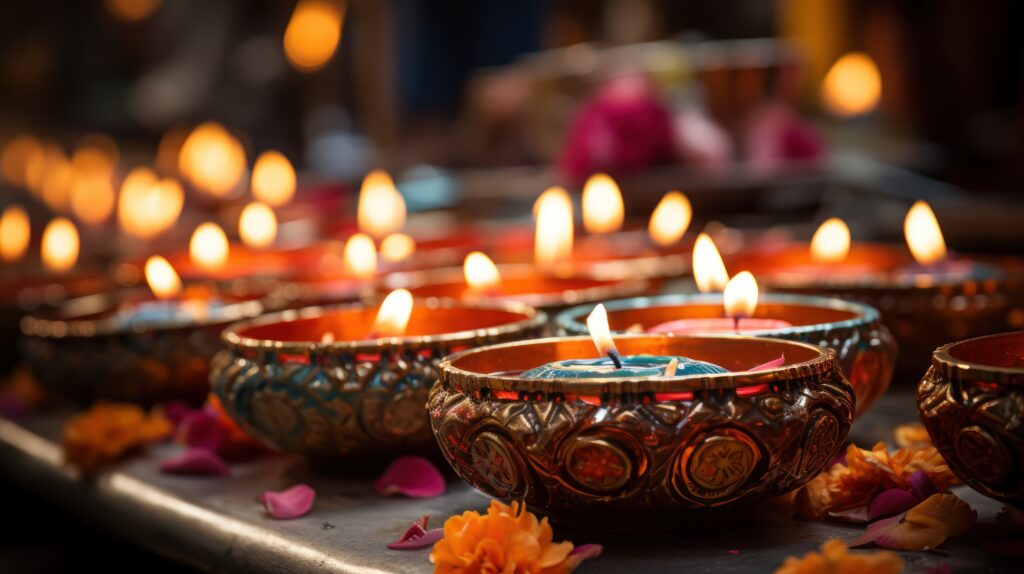
The five-day celebration of Diwali is marked by various customs and rituals.
Diwali begins with Dhanteras, a day dedicated to worshipping the god of health, Dhanvantari, where people buy gold and decorate with lights. The second day, Naraka Chaturdashi, celebrates Lord Krishna’s victory over Narakasura. People take early morning baths with special oils and wear new clothes. On the main day of Diwali, families perform Lakshmi Puja, light diyas, exchange gifts, and enjoy fireworks. Govardhan Puja, the fourth day, honors Lord Krishna with various vegetarian dishes and celebrates the bond between husbands and wives. The festival concludes with Bhai Dooj, celebrating the brother-sister relationship with prayers and gift exchanges.
Diwali is not just about lights and festivities; it is also a time for giving and sharing. Many people engage in charitable activities, donating clothes, food, and money to those in need. The festival encourages a spirit of community and togetherness, bringing people from all walks of life to celebrate and share the joy of the season.
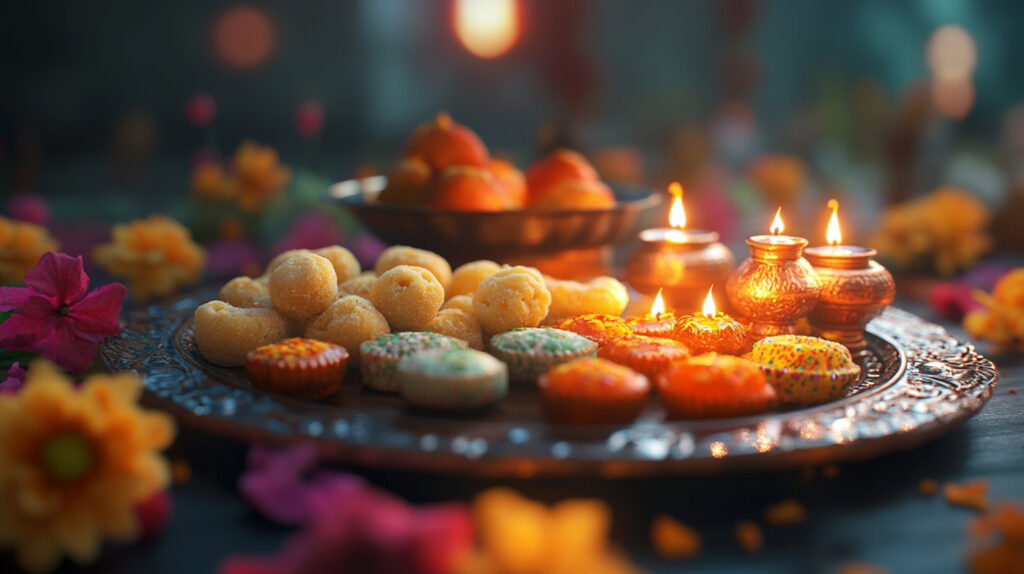
No Diwali celebration is complete without an array of delicious sweets and savory dishes. Some of the most popular sweets include:
Additionally, savory snacks like samosas, pakoras, and chivda are prepared and enjoyed.
In recent years, there has been a growing awareness of the environmental impact of Diwali celebrations, particularly the use of fireworks. Many people are now opting for eco-friendly ways to celebrate, such as using biodegradable decorations and reducing the use of firecrackers to minimize air and noise pollution.
Diwali is a festival that brings light, joy, and hope into the lives of millions. It is a time for families to come together, for communities to unite, and for everyone to reflect on the values of love, prosperity, and the triumph of good over evil. As the lamps are lit and the fireworks illuminate the night sky, the spirit of Diwali shines brightly, reminding us all of the power of light and the promise of a better tomorrow. The Cartus team wishes all who celebrates, a very peaceful and blessed Diwali!



To request a technology demonstration, learn more about a specific solution, or simply speak to one of our knowledgeable subject matter experts, please fill out our form and someone will get back to you shortly.
To learn more about how our work in this space can help drive your talent mobility program to the next level, please fill out our form, and one of our knowledgeable subject matter experts will get back to you shortly!