blogs / 30 Jun 2022

2020 Tokyo Olympics: 23 Days to Go

After a year of delays due to the pandemic, Tokyo is set to host the 2020 Olympic Games from July 23 to August 8, with the Paralympics following from August 24 to September 4.

Despite the sporadic local COVID-19 situation, the Olympic torch relay is well underway as it visits famous areas like Shizouka Prefecture—which is widely famous for Mt. Fuji and green tea—and completes its journey in Tokyo—visiting famous landmarks like Komazawa Olympic Park General Sports Ground Athletic Field, a legacy of the 1964 Olympic Games held in Tokyo.

With more than 7,800 athletics already registered to compete in the Olympic Games, the city is implementing strict measures on all arriving athletes and participants, with measures kicking in 14 days before their scheduled arrival and throughout their entire stay in Tokyo, thus restricting their daily commute and contact with the local community in order to lower the risk of spreading the coronavirus.

Olympic Games Venues

The Tokyo Games will be conducted at 34 venues within two distinct zones, Central Tokyo and the Tokyo Bay area, including existing competition venues—namely those built for the last Summer Olympics that were hosted in 1964—such as the prestigious Nippon Budokkan for judo and the Baji Koen Park for equestrian events. The Games will also include a new National Olympic Stadium on the site of the original Olympic stadium, where the opening and closing ceremonies will be held. 2020 Olympics in Tokyo.

As global events can present a number of relocation challenges for organisations and international assignees, relocation managers must consider these during the planning process.

Best Practices for Relocation During the Tokyo Olympics

With the current, unpredictable status of borders opening and closing, preparation and extra travel time go a long way to ensure relocation programmes remain on track in the lead up to this world event. In general, most relocation services are likely to take longer to deliver.

It is important to keep those assignees who may be impacted by the Olympics up to date with the latest information. This will help to set expectations with regards to possible delays.

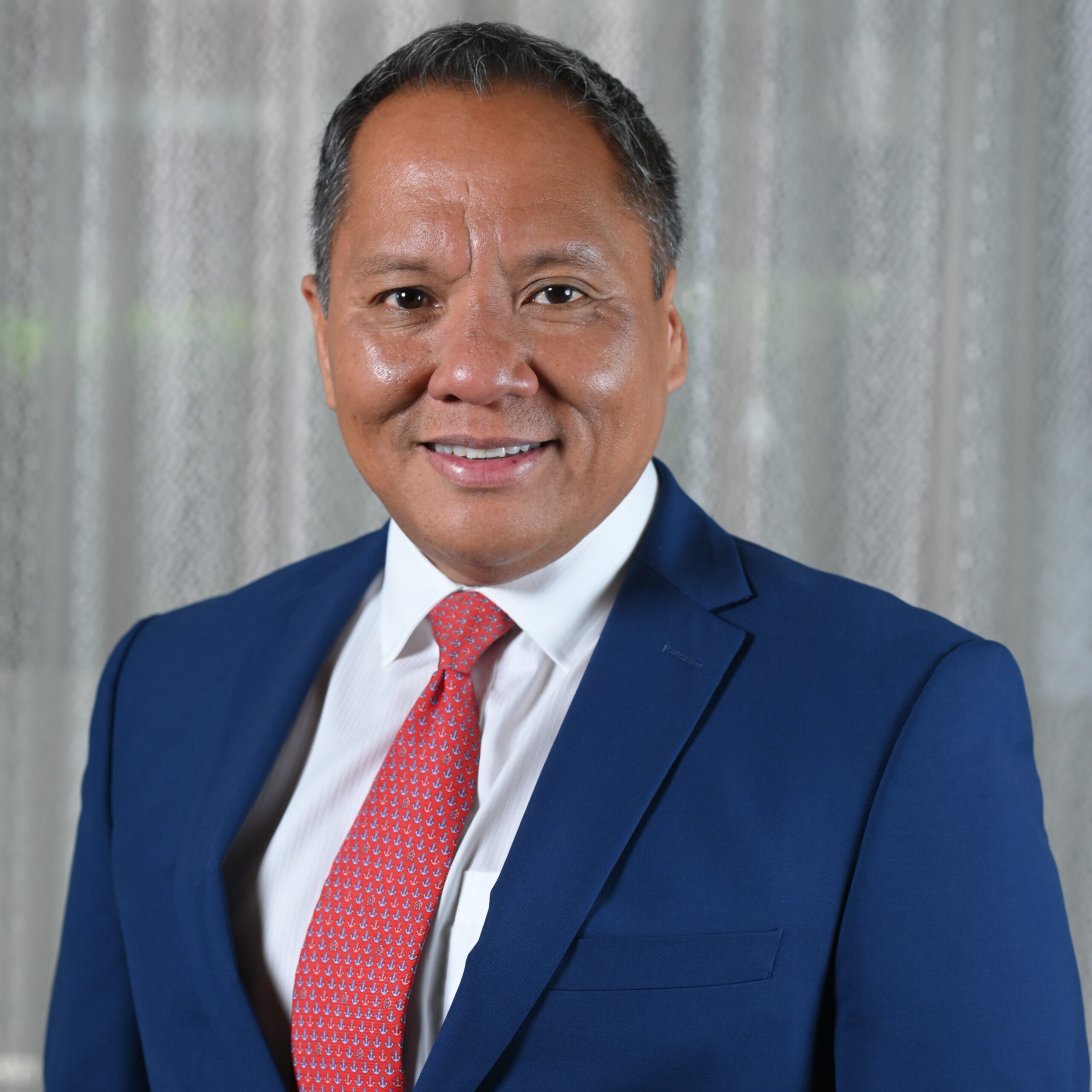
Paul Franco

about the author

Paul Franco has over 22 years of global mobility and relocation outsourcing industry expertise. He specializes in delivering strategic talent mobility solutions to multinational corporations in key APAC markets, including Singapore, China, Hong Kong, and India. Originally from Manila, Philippines, Paul has lived and worked in various countries, such as China, Hong Kong, and Singapore, since 2003. His extensive international experience has honed his cultural sensitivity and global mindset, enabling him to address the challenges international assignees and employees face effectively.