Appearance, demeanor, poise, use of proper grammar—these are all aspects of what is generally considered “professional” behavior in the workplace. In many industries, sharing religious or political perspectives are off limits, and in workplaces across the globe, women continue to feel as though they should not divulge too much information about their parental responsibilities to their coworkers. From where do these nuances of “professionalism” originate? Who decides what behaviors and qualities are considered “professional”? And is it possible that part of the definition we have become accustomed to is one where “unprofessional” actually means “behaviors and appearances that make me uncomfortable”?
As we learn more about unconscious biases and the concept of covering—where, in an effort to conform to accepted norms of a given workplace, employees feel the need to hide aspects of themselves from their coworkers—it is important to address which environmental factors are working against us as we attempt to foster more inclusive workspaces. One such factor in company culture is our definition of “professional” behavior and to what extent it includes an individual’s physical appearance, speech patterns, and mannerisms.
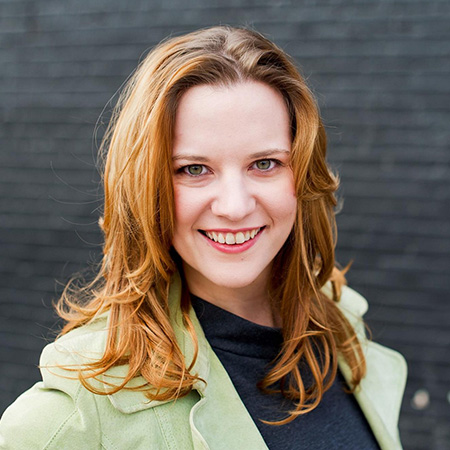
Jocelyn Tiner is an Executive Assistant in Global Talent Mobility. She has a Master’s degree in Social Work and is an active member of the Cartus Diversity and Inclusion Council and the Realogy Women’s ERG.
subscribe to our blog
subscribe to our blog
let's talk tech
To request a technology demonstration, learn more about a specific solution, or simply speak to one of our knowledgeable subject matter experts, please fill out our form and someone will get back to you shortly.
continue the conversation
To learn more about how our work in this space can help drive your talent mobility program to the next level, please fill out our form, and one of our knowledgeable subject matter experts will get back to you shortly!